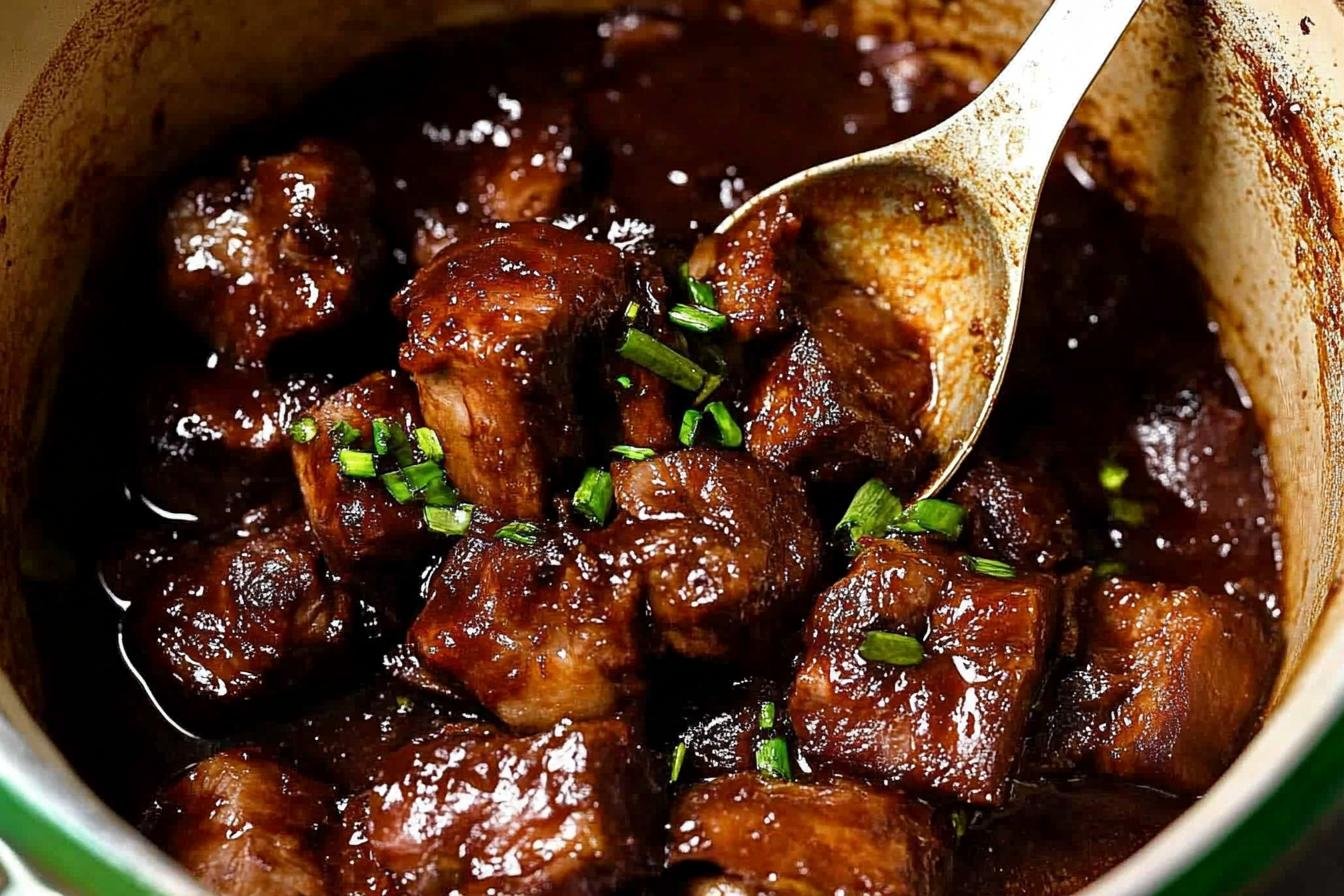
There’s something so inviting about Filipino Pork Adobo that fills the kitchen with a rich, tangy aroma and soft bubbling in the pot. I’ve run this recipe through multiple trials, adjusting meat size and simmer times until the sauce clung to each tender cube just right. Every test taught me new little details—like the snap of garlic hitting hot oil or the gentle crackling as the sauce reduced to a glossy finish.
Why You’ll Love Filipino Pork Adobo
- Deep, savory-sour balance that wakes up your taste buds.
- Simple pantry ingredients with a punchy umami punch.
- Hands-off simmering for an easy weekday dinner.
- A beloved staple of Filipino home cooking, steeped in history.
A Little Background
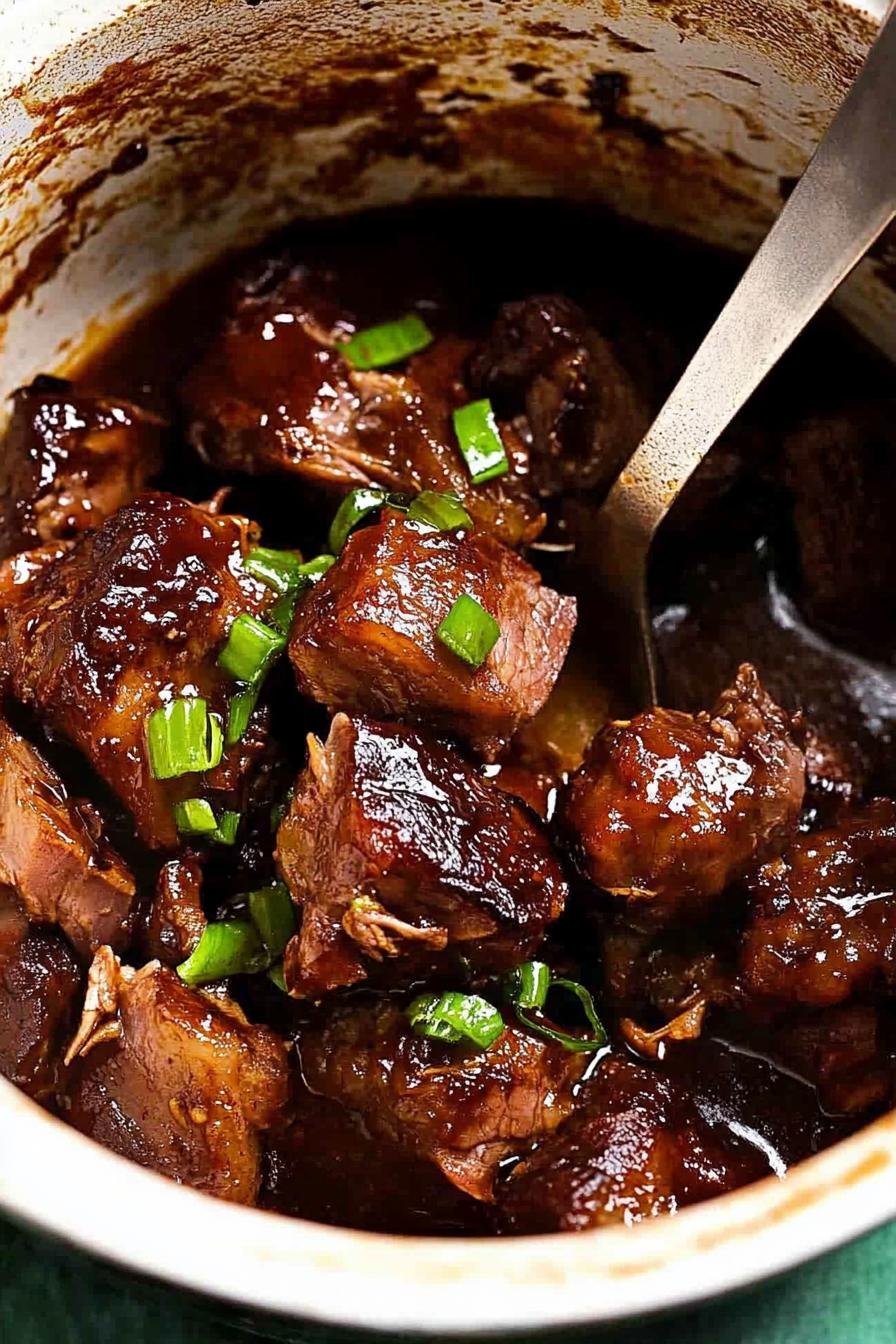
When I first tried this recipe, the sauce was too thin and the meat a bit dry. Testing note: After three rounds, I found cutting pork into uniform 2.5cm cubes helped the sauce cling and cook evenly. Filipino Pork Adobo traces back centuries, blending native and colonial influences in a dish that’s as comforting in summer as it is in cooler months.
Key Ingredients for Filipino Pork Adobo
- Pork belly or shoulder: delivers succulent, melt-in-your-mouth bites; shoulder works if you prefer leaner cuts.
- Soy sauce: gives salty umami; light soy is traditional, dark soy adds color.
- Vinegar: brightens the sauce; white cane or cane sugar vinegar works too.
- Garlic: crushed for an aromatic base; let it sizzle gently to avoid bitterness.
- Brown sugar: balances acidity; adjust to taste for a milder edge.
- Bay leaves & peppercorns: infuse earthy, warm spice; fresh whole peppercorns are ideal.
How to Make Filipino Pork Adobo
- Heat 2 tablespoons oil in a heavy pot over medium-high. Add pork; brown each piece for 3–4 minutes until golden edges form and you hear a gentle sizzling. Work in batches so the pan stays hot.
- Add 6 crushed garlic cloves; sauté for 30 seconds until fragrant steam rises and the garlic turns pale gold—take care not to let it burn.
- Return pork to the pot. Pour in ½ cup soy sauce, ½ cup white vinegar and ¾ cup water. Tuck in 2 bay leaves, sprinkle 1 teaspoon peppercorns and stir in 2 tablespoons brown sugar until dissolved.
- Bring liquid to a gentle boil, then reduce heat to low. Cover and simmer for 25–30 minutes, stirring once or twice, until meat is tender with slight bite.
- Remove lid and continue to simmer for 5–10 minutes. Watch for soft bubbling around the edges as sauce thickens to a glossy coat on each pork piece.
Pro Tips & Troubleshooting
- Testing note: On my second cook, simmering too long turned the meat dry—stick to the 25+5 minute guideline for tender results.
- If sauce tastes too sharp, add a pinch more sugar or a splash more water to mellow the acidity.
- Stir in a strip of citrus zest or a pinch of chili flakes for seasonal flair and extra warmth.
- To double the batch, keep the same liquid ratio and use a wider pot to ensure even cooking.
Storage & Make-Ahead Guide
Let adobo cool slightly, then transfer to airtight containers. Room temperature for up to 2 hours. Refrigerate for 3–4 days at 4°C or below. Freeze for up to 2 months; thaw overnight in fridge. Reheat to 74°C in a saucepan or microwave, stirring occasionally. Testing note: I found texture holds up better when reheated gently on the stove rather than blasting in the microwave.
Serving Suggestions
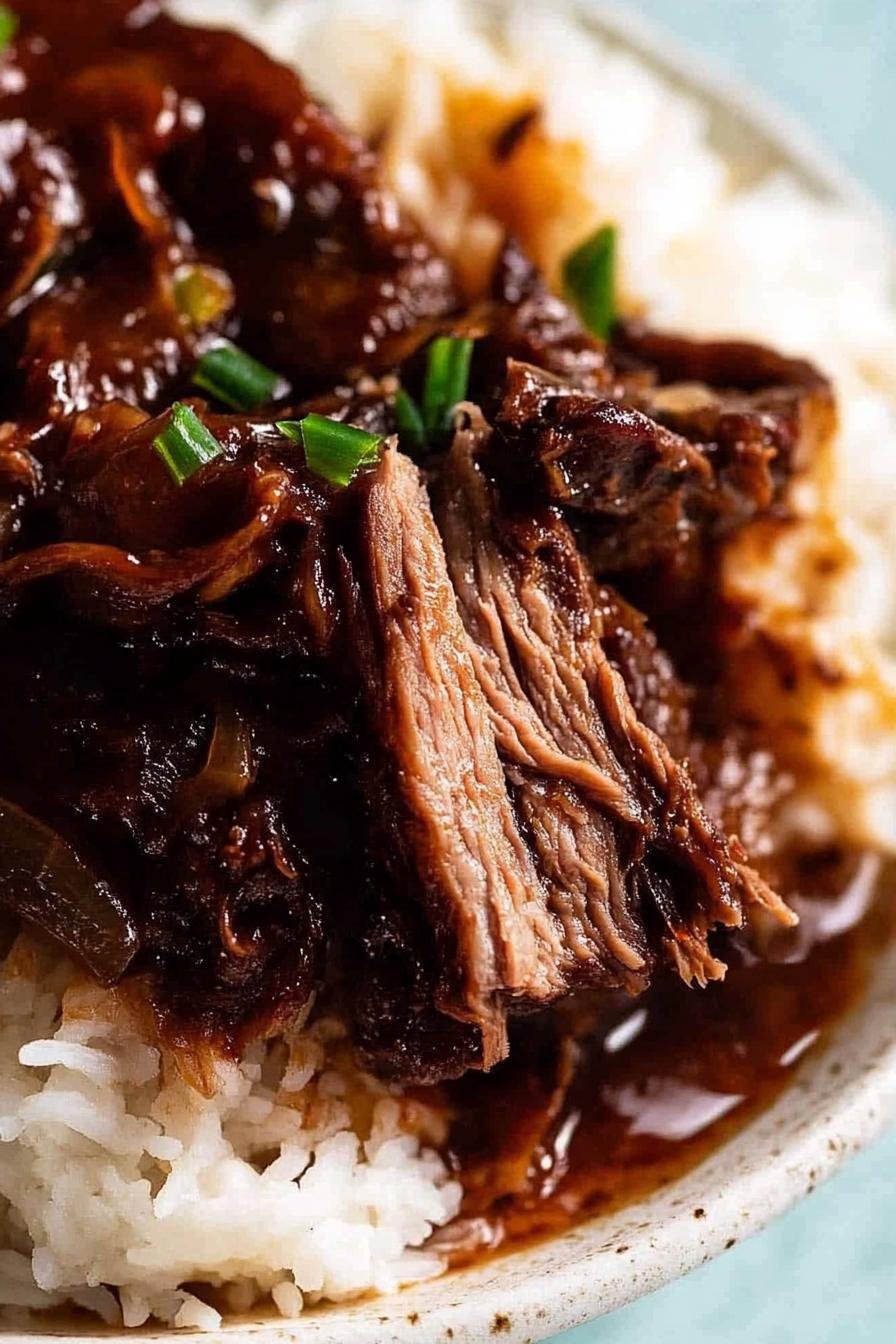
Serve over steaming jasmine rice to soak up that rich sauce. Add a side of pickled vegetables or a crisp cucumber salad for a fresh contrast. Leftovers also shine folded into tacos or tossed with greens for a hearty salad.
Frequently Asked Questions
- What makes Filipino adobo different from other adobos? Filipino adobo relies on a vinegar-soy base and gentle simmering, creating a balanced sour-salty flavor unique from Spanish or Mexican versions.
- Can I substitute pork with chicken in adobo? Yes, use bone-in chicken pieces; reduce simmer time to 20–25 minutes so the meat stays juicy.
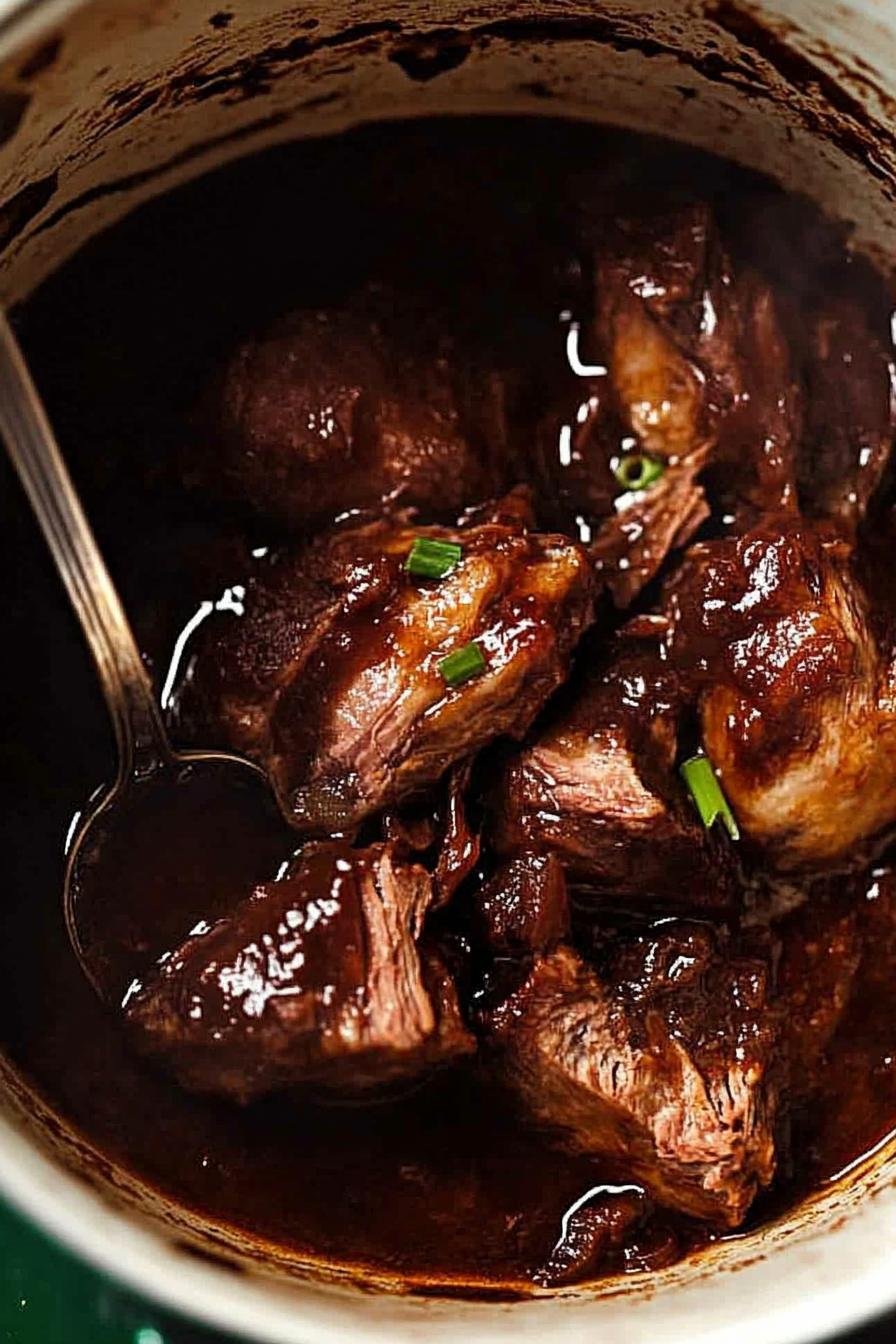
- Why is my adobo sauce too runny? It likely hasn’t reduced enough—uncover and simmer 5–10 more minutes until you see soft bubbling and a glossy consistency.
- How long does pork adobo last in the fridge? Stored in a sealed container at 4°C or below, it’s best eaten within 3–4 days to maintain optimal flavor and safety.
- Can you freeze Filipino Pork Adobo? Absolutely—freeze in portioned containers for up to 2 months. Thaw overnight in the fridge before reheating gently.
- Do I need to rinse pork before cooking adobo? No need to rinse; browning directly helps seal in juices and builds that signature caramelized flavor.
Final Thoughts
I hope this guide sparks your next kitchen adventure with Filipino Pork Adobo—it’s my go-to when I crave something soulful yet straightforward. Let me know how your batch turned out and any tweaks you discovered along the way!
More Recipes You’ll Love
- Instant Pot Pulled Pork – another savory pork dish with rich sauce and a hands-off pressure-cooking method.
- Slow Cooker Pork Carnitas – citrusy, tender carnitas for a Mexican-inspired twist on slow-cooked pork.
- Pressure Cooker Pork Chops – quick pressure-cooked pork chops for a fast midweek meal with minimal effort.
- Air Fryer Pork Chops – crispy, juicy pork chops straight from the air fryer for a contrast in textures.
Filipino Pork Adobo
Ingredients
Meat & Liquids
- 1 kg pork belly or shoulder, cut into 2.5cm cubes
- 0.5 cup soy sauce I use Panda Brand
- 0.5 cup white vinegar
- 0.75 cup water
- 2 tbsp brown sugar
Aromatics & Seasonings
- 2 tbsp oil
- 6 cloves garlic, crushed
- 2 leaf bay leaves
- 1 tsp whole peppercorns
Instructions
Meat & Aromatics
- Heat oil in a heavy pot over medium-high heat. Add pork in batches and brown on all sides for 3–4 minutes until golden edges form and you hear a gentle sizzling.
- Add crushed garlic to the pot and sauté for 30 seconds until fragrant steam rises and garlic turns pale gold.
Braise
- Pour in soy sauce, vinegar, water, and sprinkle brown sugar. Tuck in bay leaves and peppercorns, stirring to dissolve sugar.
- Bring to a gentle boil, then reduce heat to low. Cover and simmer for 25–30 minutes, stirring occasionally, until meat is tender with slight bite.
- Remove the lid and simmer for an additional 5–10 minutes until sauce reduces to a glossy coat on the pork.