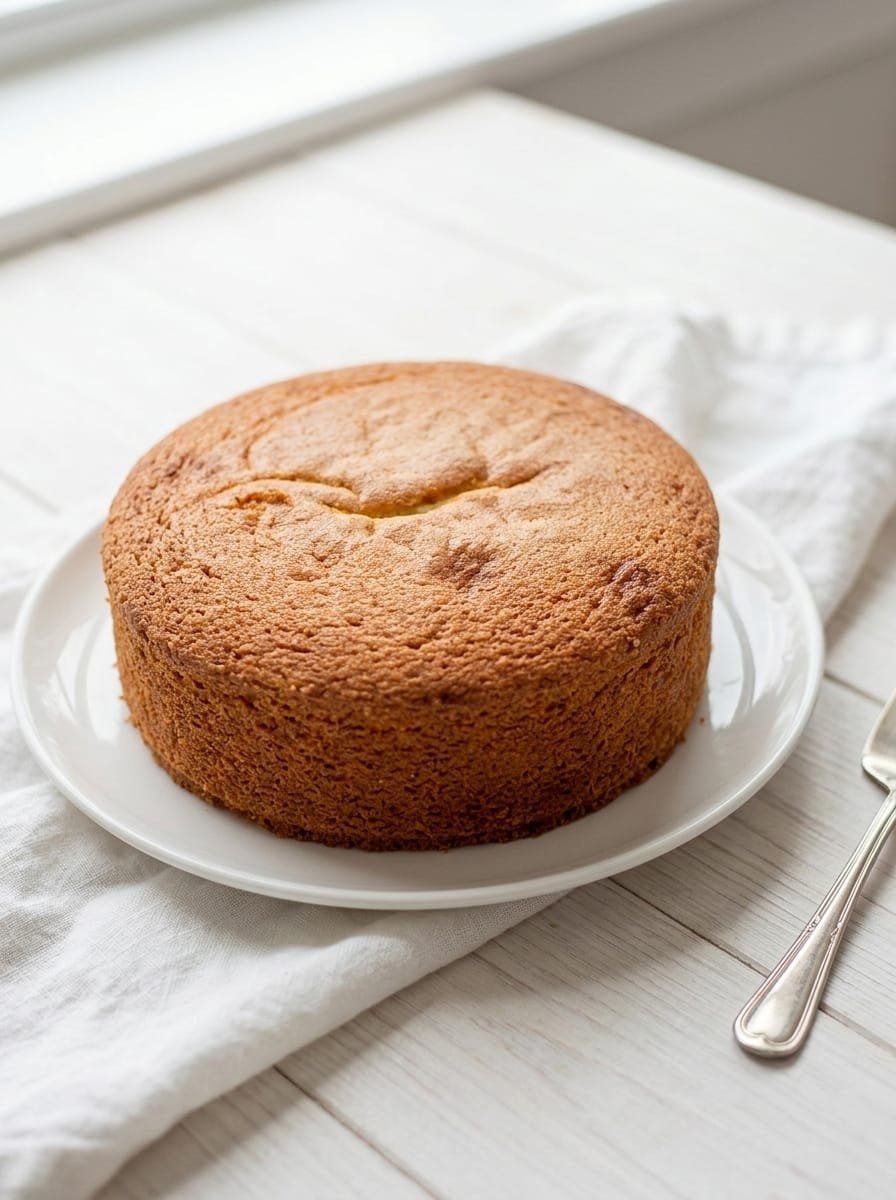
My first experience with the Easy Vanilla Sponge Cake Recipe takes me back to my grandmother’s kitchen. The warm scent of butter melting into sugar filled the air, blending seamlessly with the smell of fresh vanilla. I remember staring in awe as the fluffy mixture transformed into a batter that promised sweetness. Each bite reminded me of home, embodying the love and simplicity that baking offers. Every time I make this cake, I’m reminded of those precious moments spent together. If you’re looking for another delicious treat, check out my One Pot Mac and Cheese.
Why This Recipe Works Every Time
The secret to the Easy Vanilla Sponge Cake Recipe lies in the creaming method—beating sugar and butter together until light and fluffy introduces air and creates a tender crumb. When I first tested this recipe, I noticed that over-creaming led to a dense cake, while just the right amount resulted in a perfectly airy texture. This method combined with fresh ingredients makes for a consistently delightful dessert.
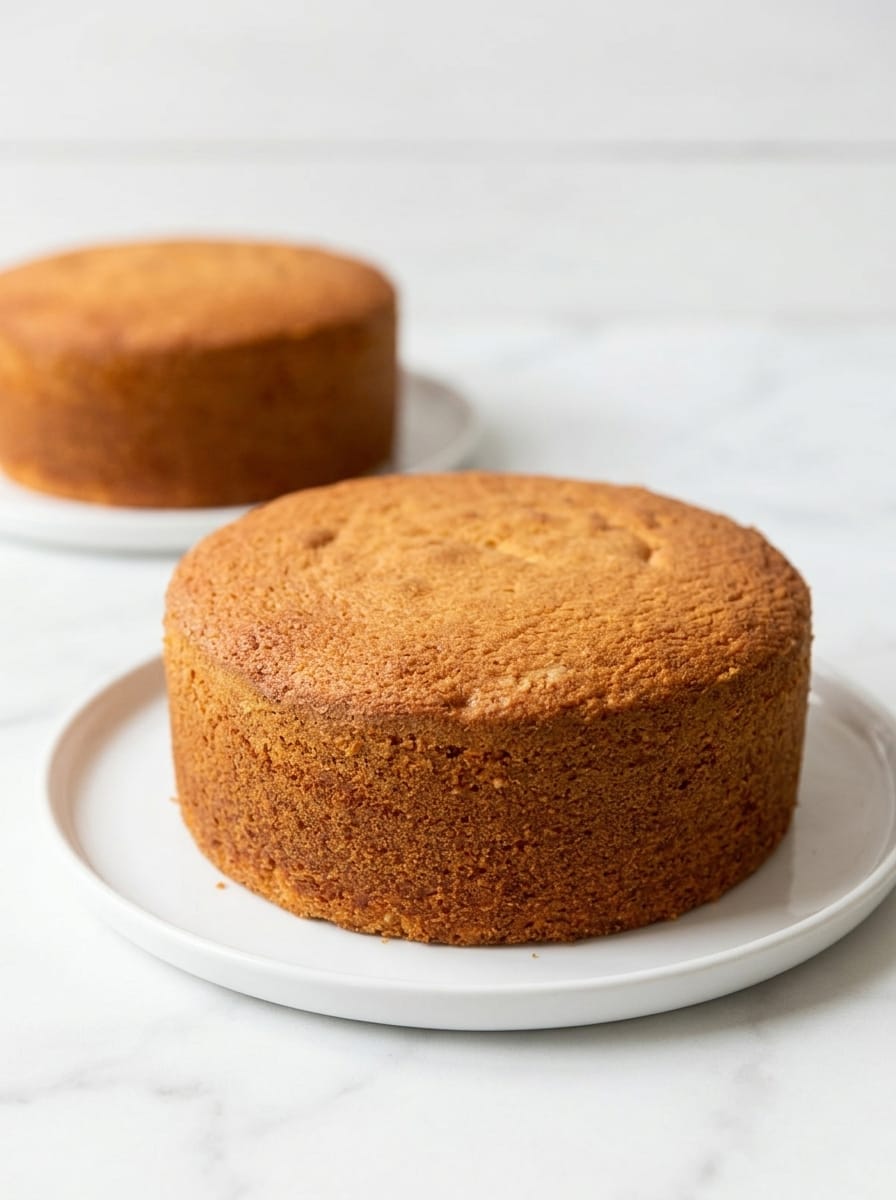
What You’ll Need
Gathering these ingredients keeps the process accessible and straightforward, making home-baking enjoyable for everyone.
- Self-Raising Flour: Helps the cake rise without needing additional leavening agents.
- Butter: Adds moisture and richness; opt for unsalted for better control over flavor.
- Caster Sugar: Dissolves quickly for a smooth batter; granulated sugar can also work but may be grainier.
- Eggs: Essential for structure; use large eggs for the best results.
- Milk: Keeps the cake moist—experiment with whole milk for extra richness.
- Preheat your oven to 180C/375F. The warm air will make the batter rise perfectly.
- Grease two 8-inch cake tins and line them with parchment paper; this ensures easy release.
- In a large bowl, cream together the sugar and butter. You’ll know it’s ready when it looks pale and fluffy, about 3 to 5 minutes.
- Incorporate eggs one by one, mixing well after each addition; the batter should be smooth and homogenous.
- Fold in the flour until you see no dry streaks. Add milk for the right consistency; it should easily drop off the spoon.
- Divide the batter evenly into the cake tins, smoothing the tops with a spatula, then bake for 25 to 30 minutes—look for a golden crust and a skewer that comes out clean.
- Let the cakes cool in the tins for about 5 minutes before transferring them to a cooling rack; this prevents sogginess.
- I realized that smashing the butter straight from the fridge wasn’t ideal—softening it at room temperature ensures a smoother batter.
- My first attempt with room temperature eggs resulted in a dense cake, but switching to slightly warm eggs improved the fluffiness significantly.
- For a twist, I tried incorporating lemon zest; it brightened the cake beautifully, making it perfect for summer gatherings.
- Can I use all-purpose flour instead of self-raising flour? Yes, but you’ll need to add baking powder to make it rise.
- How can I make the cake denser? Add an extra egg or a small amount of yogurt to increase richness.
- What should I do if my cake cracks on top? This might indicate an overly hot oven; consider lowering the temperature.
- How do I know when my cake is fully baked? Insert a toothpick; if it comes out clean, it’s ready!
- Can I freeze this cake? Yes, just make sure it’s well-wrapped to avoid freezer burn.
- Creamy Alfredo Pasta – perfect for a light dinner.
- One Pot Mac and Cheese – a quick and comforting dish.
- Strawberry Pound Cake – a delightful fruit pairing.
- Soft Pretzel Bites – a fun treat for any occasion.
- Strawberry Shortcake – a classic dessert for warm seasons.
- 200 g self-raising flour
- 200 g butter plus extra for greasing
- 160 g caster sugar
- 3 large eggs
- 1 tablespoon vanilla extract or 1 teaspoon vanilla bean paste
- 4 tablespoons milk full-fat or semi-skimmed
- 1/2 teaspoon baking powder optional
- Heat your oven to 180C/375F. The aroma of warm air will signal readiness for baking.
- Coat two 8-inch tins with butter and line them with parchment. Grease ensures no sticking.
- Combine sugar and butter, creaming until the mixture is light and fluffy, around 3 to 5 minutes.
- Introduce the eggs one by one, followed by vanilla. Mix thoroughly until smooth.
- Fold the flour gently, then pour in the milk. Mix until you have a smooth, velvety batter.
- Divide the batter evenly into the tins. Bake for 25 to 30 minutes until a skewer emerges clean.
- Remove from oven, cool for a few minutes, then transfer to a rack to cool completely.
Step-by-Step: Making Easy Vanilla Sponge Cake Recipe
What I Learned After Testing This Multiple Times
Storing and Reheating
Store the cake in the fridge for up to 5 days in an airtight container, or wrap tightly and freeze for up to 3 months. To reheat, place a slice in the microwave for about 15 seconds to refresh its softness, preserving its delightful texture.
What to Serve With Easy Vanilla Sponge Cake Recipe
This cake pairs beautifully with fresh fruits like strawberries or a scoop of vanilla ice cream. For a fun twist, serve it alongside whipped cream and drizzle some chocolate sauce for that added touch. Check out my Strawberry Shortcake for another delicious option!
Questions I Get Asked Most
I love enjoying the Easy Vanilla Sponge Cake Recipe fresh out of the oven, perhaps with a cup of tea. This cake is all about nostalgia—every bite is a reminder of the warmth of family gatherings. I’m excited to hear your experiences and your own unique spins on this recipe!
More Recipes You’ll Love